 You know what needs to be done. The hard part is getting started, staying with it, and keeping track of the steps and details until the task is finished.
You start the day with a clear plan, but an interruption, a new idea, or an unexpected request pulls your attention somewhere else. Tasks pile up, time gets away from you, and you end the day frustrated by how much is still unfinished.
You forget a message you meant to answer, lose track of an appointment, or leave an important task until the pressure becomes impossible to ignore. Even small decisions can become overwhelming when your mind is already trying to keep track of too much.
People see someone intelligent and capable, but they do not see how much effort it takes to stay organized, meet deadlines, and keep up with everyday responsibilities.
Over time, you start questioning why tasks that seem straightforward for other people require so much energy from you. You want to feel on top of your life instead of always worrying about what you have forgotten or what still needs to be done.
Whether you have been diagnosed with ADHD or recognize yourself in some of these experiences, you are not alone.
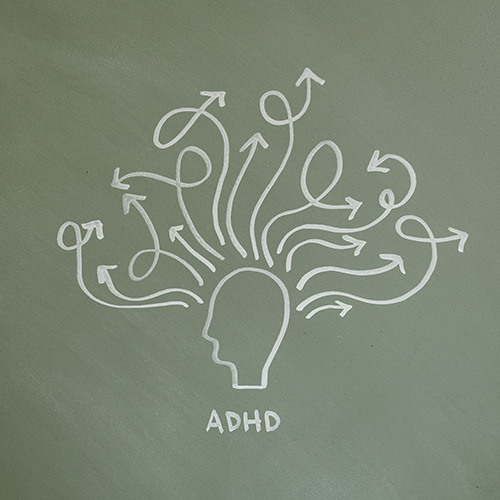 ADHD affects more than your ability to focus. It can make it harder to judge time, decide what needs your attention first, remember important details, switch between tasks, and manage your emotions when you become overwhelmed.
That is why knowing what needs to be done does not always mean you can get started or stay focused long enough to finish it.
Tasks without an immediate deadline often get postponed, while urgency becomes the thing that finally gets you moving. You take on more than you realistically have time for because the plan seems manageable at first. Then everything takes longer than expected.
When too much builds up, you jump between tasks or become stuck because you cannot decide where to begin. The unfinished work adds more pressure, and you become increasingly frustrated with yourself.
If you have spent years being told to try harder, pay closer attention, or get more organized, you may have come to believe that you lack discipline or cannot be relied upon.
Understanding how ADHD affects your daily life will help you stop treating every struggle as a personal failing and start finding approaches that are realistic for you.
 In therapy, I will help you identify where ADHD creates the most difficulty in your day and what tends to make those challenges harder to manage.
Together, we will develop practical ways to begin tasks, plan your time, keep track of priorities, and reset when the day does not go as planned.
We will also work through the shame, perfectionism, and fear of disappointing people that can build after years of struggling in ways other people do not see.
I will not ask you to force yourself into a rigid system that does not fit your life. We will find approaches that reflect what you need, how you work best, and the responsibilities you are trying to manage.
The goal is for you to build routines you can maintain, make decisions with less overwhelm, and know what helps when your attention gets pulled elsewhere.
Over time, you can begin to trust yourself more, complete important tasks with greater consistency, and have more energy for your work, relationships, and interests.
You can feel more on top of what needs your attention, more confident in your ability to handle it, and less critical of yourself when the day does not go perfectly.
If ADHD is making everyday life harder than it needs to be, reaching out is the first step. I’d welcome the opportunity to connect with you.
By clicking the Sign Up button, you agree to this site's Privacy Policy. Your information is always kept safe.

70 Arthur Street, Suite 200
Winnipeg, MB, R3B 1G7
Mon to Fri: 8:30 am - 4:00 pm
Counselling information on this website is for general educational purposes only and is not a substitute for professional advice, diagnosis, or treatment. This website, email, voicemail, and contact forms are not monitored for urgent or emergency situations.
If you are in immediate danger or experiencing a medical or psychiatric emergency, call 911 or go to your nearest emergency department. If you are thinking about suicide, call or text 9-8-8. You may also contact the Klinic Crisis Line at 204-786-8686 or toll-free at 1-888-322-3019.
Full Disclaimer & Privacy Policy
© Copyright 2026 Well Attuned Therapy. Site Developed by eVisionMedia.ca