


How Do Attachment Patterns Affect Relationships?
Attachment patterns affect relationships by shaping how you respond to closeness, conflict, and emotional stress – often automatically and outside of conscious control.
These patterns form early in life based on how safe, supported, or attuned your emotional needs were met, and they continue to influence how your nervous system reacts in adult relationships.
When attachment patterns are activated, you may become anxious, withdrawn, reactive, or shut down, even when you intellectually understand what’s happening. And this is because attachment responses are rooted in the nervous system, not just thoughts or beliefs.
In any case, understanding attachment patterns helps explain why relationship dynamics repeat, why conflict can feel so intense, and why real change often requires more than insight alone.
Key Takeaways:
- Insight alone is often not enough to change attachment patterns because the body continues to react automatically.
- Understanding your attachment patterns is a starting point for healthier communication, boundaries, and connection.
- Attachment patterns are learned early in life and shape how you experience closeness, safety, and connection.
- Adult relationships activate attachment patterns most strongly during stress, conflict, or emotional intimacy.
- With trauma-informed support and nervous-system regulation, attachment patterns can shift over time.
Many people come to therapy carrying familiar frustrations.
You may shut down when conversations feel emotionally charged.
You may notice yourself becoming anxious when someone pulls away, even slightly.
And you may find yourself repeating the same relationship dynamics, despite insight, awareness, and genuine effort.
These experiences can leave people feeling discouraged or ashamed, as though they should “know better by now.”
But what’s often missing from this conversation is an understanding of attachment patterns.
For many of us, attachment patterns shape how we experience closeness, conflict, and emotional safety, and they influence how we respond when we feel connected, threatened, misunderstood, or afraid of losing someone important.
When attachment patterns are activated, reactions can feel automatic and difficult to control – and that’s because they’re rooted in the nervous system, not just conscious thought.
What Are Attachment Patterns?
Attachment patterns are the relational strategies we develop early in life to stay connected and safe.
From infancy onward, our nervous system learns what to expect from others based on repeated experiences.
Were caregivers emotionally available when we were upset?
Did comfort feel predictable or inconsistent?
And were emotions welcomed, ignored, or punished?
Over time, these experiences shape how we come to understand relationships.
Having said that, attachment patterns are not conscious decisions. They are learned responses that help us adapt to our early environment.
It’s also important to point out that attachment patterns are not character flaws or personality traits. They’re survival strategies.
They reflect what was necessary to maintain connection and emotional safety at a time when we had little power or choice.
As adults, these same strategies may no longer fit our current relationships – but the nervous system continues to rely on what it learned first.
Why Attachment Patterns Still Affect Adult Relationships
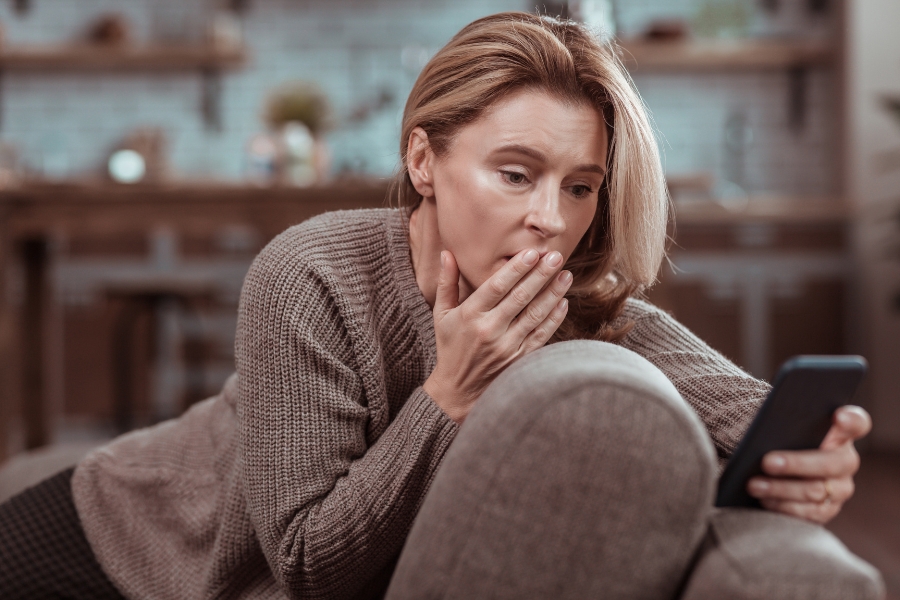
Attachment patterns live in the body.
When we feel close to someone, threatened by loss, or caught in conflict, the nervous system reacts quickly, often before we can think things through.
And this is why reactions can feel sudden, intense, or confusing.
You might think, “I know this isn’t logical, but I still feel panicked,” or “I don’t want to shut down, but my body just does it anyway.”
That’s because attachment patterns are not stored as ideas or beliefs alone. They’re embedded in physiological responses shaped by early experiences of safety and threat.
Adult relationships activate these patterns because things like emotional closeness, vulnerability, and dependence signal importance to the nervous system.
And this also explains why insight alone doesn’t always lead to change, as understanding where a reaction comes from doesn’t necessarily help the body respond differently.
Real change requires working with both awareness and regulation.
Common Attachment Patterns and How They Show Up in Relationships
Attachment patterns tend to become most visible in close, emotionally meaningful relationships.
They often emerge during moments of stress, conflict, intimacy, or uncertainty – times when the nervous system is most alert to potential danger or loss.
What’s more, many people recognize parts of themselves in more than one pattern. Attachment exists on a spectrum, and responses can shift depending on the relationship or situation.
With that in mind, the patterns described below are not boxes to fit yourself into. They are ways of understanding how different nervous systems learn to stay connected and protected.
Anxious Attachment Patterns in Adulthood
Anxious attachment patterns often develop when care or emotional availability felt inconsistent early in life.
For adults, this can show up as:
- Fear of abandonment or being replaced
- Strong emotional reactions to small changes in connection
- Heightened sensitivity to tone, mood, or perceived distance
- Seeking reassurance but struggling to feel settled even when it’s offered
People with anxious attachment patterns often describe feeling “on edge” in relationships.
They may monitor interactions closely, searching for signs that something is wrong.
This can lead to overthinking, rumination, and self-doubt. And there may even be a deep fear of being too much or not enough.
These reactions are not signs of weakness. They reflect a nervous system that learned early on that connection required vigilance.
At its core, anxious attachment is driven by a longing for safety, reassurance, and emotional attunement.
Avoidant Attachment Patterns in Adulthood
Avoidant attachment patterns often form when emotional needs were dismissed, overwhelming, or unsafe to express.
For adults, this can look like:
- Strong independence and self-reliance
- Discomfort with emotional vulnerability
- Pulling away when relationships deepen
- Shutting down during conflict or emotional conversations
People with avoidant patterns may appear calm or unaffected on the outside, even while feeling overwhelmed internally.
They often value autonomy and space and tend to feel uneasy when others rely on them emotionally.
Underneath this distance, there is often a fear that closeness will lead to loss of control, emotional overwhelm, or disappointment.
That being said, avoidance is not about a lack of care. It’s a protective strategy that once helped preserve safety.
Disorganized or Mixed Attachment Patterns
Disorganized or mixed attachment patterns often develop in environments that felt unpredictable, chaotic, or frightening.
For adults, this can show up as:
- Difficulty trusting others or oneself in relationships
- Feeling confused about needs, boundaries, or desires
- Wanting closeness but feeling unsafe when it happens
- Intense emotional connections followed by withdrawal
People with these patterns may feel caught between opposing impulses, as closeness can feel both deeply desired and deeply threatening.
This can lead to cycles of connection and retreat that feel exhausting and confusing.
Many people with disorganized attachment carry a great deal of shame, believing something is fundamentally wrong with them.
But in reality, these patterns reflect nervous systems that adapted to environments where safety and connection were unpredictable.
How Attachment Patterns Affect Communication and Conflict
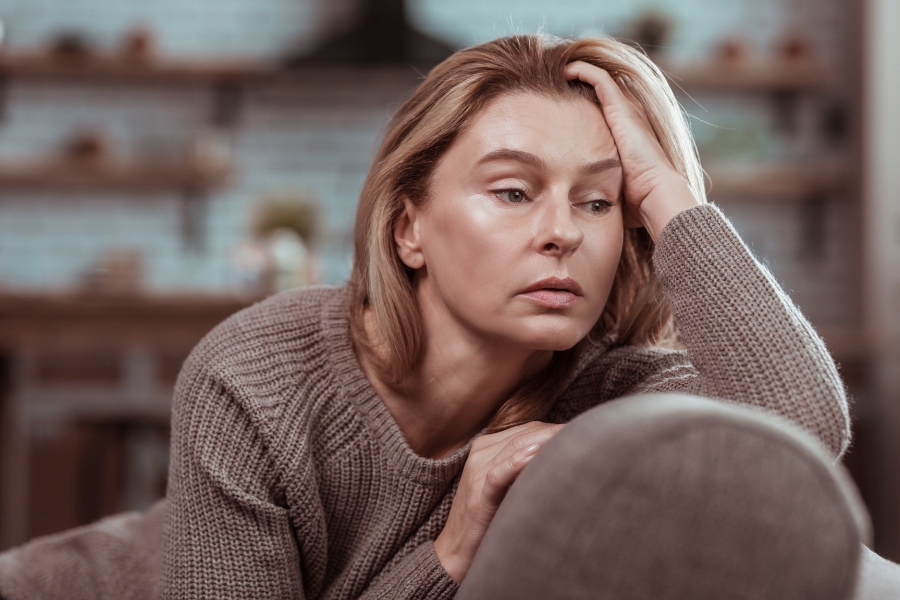
Attachment patterns often collide during moments of stress.
For instance, one partner may seek closeness, reassurance, or discussion, while the other may need space, quiet, or time to regulate.
Without awareness, this can create cycles where:
- One person pursues while the other withdraws
- Conflict escalates quickly or shuts down completely
- Attempts at repair miss the underlying emotional need
What makes these moments so charged is that they’re rarely just about the present issue.
Old attachment wounds are activated, and the nervous system responds as though something essential is at stake.
This is why arguments can feel intensely personal, even when the topic seems banal or insignificant.
In any case, understanding attachment patterns helps shift the focus from blame to curiosity, and it allows space to ask, “What is my nervous system responding to right now?”
Can Attachment Patterns Change?
Yes. Attachment patterns can change.
But change doesn’t happen through willpower or self-criticism. And it doesn’t come from forcing yourself to react differently.
Attachment patterns shift through experiences of safety, consistency, and emotional regulation.
And because these patterns are stored in the nervous system, change often requires approaches that work beyond insight alone.
However, trauma-informed therapy can help address the underlying experiences that shaped attachment responses, as it supports the body in learning that connection can feel safer now than it once did.
This kind of change is gradual and relational, and it happens through repeated experiences of being understood, supported, and regulated.
What Healthier Attachment Can Begin to Look Like
As attachment patterns soften, many people notice subtle but meaningful changes.
You may find yourself:
- Pausing before reacting
- Expressing needs more clearly
- Recovering from conflict more quickly
- Staying present during emotional conversations
Emotionally, there is often less urgency and intensity, and more steadiness and flexibility.
As a result, relationships begin to feel less consuming and more supportive.
At any rate, healthier attachment is not about never feeling anxious or distant. It’s about having more choice in how you respond.
Attachment patterns can shape relationships in ways that feel hard to change on your own.
Book a consultation today to discuss your experiences and whether therapy feels like it’s right for you.
